
Torque
01 / 04A cycling app I designed and built end to end — it reads every ride, keeps the plan honest and explains every number.
Available for freelance and fractional work
15 years in design, 8 of them leading teams. I've built design systems and products across agencies, scale-ups and in-house. I design and ship with AI, and I'm particular about craft and detail.

About me
AI raises the floor for everyone. But not the ceiling. In this era, taste and judgement are the real currency — knowing what's worth building, and caring enough to build it right. Making something is no longer the hard part. Knowing whether it's any good still is, and that's where most of my time goes.
15+
Years of design experience
8+
Years of design leadership
25+
Designers led & mentored
8+
Industries worked across
How I work
I lead teams, build design systems, and work across whole product ecosystems. At Formalize I grew the design function from 0 to 4 and built the design system from scratch across 2 products. At Maersk I was first design lead on one platform serving three user types and 20+ product teams.
I hire for talent density, mentor closely, and stay in the craft myself rather than reviewing it from a distance. I still believe the most powerful thing a design leader can do is help someone grow into a version of themselves they didn't know was possible.
The best design decisions I've made weren't about how something looked. They were about what to build at all. I stay hands-on and use AI heavily to get to something clickable early. I'd rather hand a team a working prototype than a flat frame, because that's the only way to tell how an interaction actually feels.
Selected work
A cycling app I designed and built end to end — it reads every ride, keeps the plan honest and explains every number.

Building the design function from zero at a hyper-growth compliance startup.

Took design from an afterthought to a strategic function — across one of the world's largest logistics platforms.

Denmark's largest loyalty club, rebuilt — 2M+ members, 4.6 in the App Store, and best e-commerce app at E-handelsprisen 2023.
Additional work

Finansforbundet
Led the digital transformation of Denmark's leading financial union — 8 new digital products built from scratch for 50,000 members.

Danske Bank
Designed the Nordics' first pocket money solution — giving kids a real debit card and the tools to manage, save, and spend responsibly.

Varier
Helping people move more at work by turning smart furniture into an active lifestyle platform.

Pensionsinfo
Making Denmark's pension savings tangible and accessible — redesigned for couples planning their future together.

Coop
Designed a grocery e-commerce concept to challenge the market leader for Denmark's largest supermarket chain.

Sleepacy
Reimagined how a mattress brand sells sleep — e-commerce site and Sleep Services app built from scratch.

BroBizz
Designed a self-service platform that let drivers across Scandinavia handle their own road tolls.

Dansk Metal
Built a job-finding app in 12 weeks — cutting through the complexity of unemployment for union members.

Alka
Redesigned insurance for the digital age — engaging customers long before they ever need to file a claim.

Canvas
A skincare platform that matches you with people who share your skin profile for hyper-personalised recommendations.

Bolius
Helping older homeowners make smarter decisions about their homes, finances, and retirement.

Jill
A health support platform that treats people like humans, not patients — making guidance feel personal and approachable.

California Psychics
A dual-sided marketplace app connecting psychics and clients — redesigned for a modern mobile experience.
What people say
Mikkel is a rare breed of design leader who doesn't just manage pixels—he scales product vision. As Head of Engineering, I had a front-row seat to his impact. He built a comprehensive, cutting-edge design system entirely from scratch, completely elevating our frontend velocity and aesthetic standards. Mikkel has an unparalleled eye for talent, single-handedly recruiting a world-class design team that consistently punched above its weight. He was absolutely instrumental in shipping critical, high-stakes features for both our Formalize and Whistleblower software. Beyond his craft, Mikkel was the ultimate bridge between Product, Design, and Engineering, always dismantling silos to find the absolute best solution for the product. Any company lucky enough to land him next is getting a transformative leader.

Emil Holst Petersen
Head of Engineering, Formalize
I have had the pleasure of working with Mikkel on two occasions: as a colleague at Hello Group, and at Formalize, where Mikkel was my manager. Mikkel is incredibly inspiring to work with. He is one of those people who seems to have more hours in the day than everyone else. He is highly productive while maintaining a very high standard of quality. As a manager and leader, Mikkel creates a strong sense of psychological safety, where everyone wants to contribute without being afraid of failing. He brings out the best in everyone on the team. I sincerely hope I will get the opportunity to work with Mikkel a third time someday.

Anders Tolborg
Principal Product Designer, Formalize
Mikkel has strong user-focused design thinking and a lot of energy in how he works. Across multiple product cycles, he always pushed for high quality in design iterations and made collaboration between product, design and engineering very smooth. What I appreciated most was his ability to create alignment and momentum in a stage where the product organisation was still forming. His empathy, team-first mindset, and practical way of working made him a very strong partner in building how we worked across functions.

Simon la Fontaine Svenstrup
Staff Product Manager, Formalize
Mikkel brings a rare combination of strong design craft and the ability to simplify complexity. He consistently found ways to break messy problems down into simple, practical concepts — his storytelling made alignment feel easy. Together we co-created a design system, defined page recipes, and established UX principles that gave teams clarity and direction, enabling a full navigation and UI overhaul delivered without compromising quality. As someone responsible for raising the bar on experience, I've worked with many strong profiles. Mikkel stands out. He raises the standard in a way that lasts, both in the product and in the team.

Patrick Rischel
Senior Digital Product Manager, Novo Nordisk
Mikkel was one of the first leaders I'd worked with who truly understood the strategic value of research. He didn't just make space for it — he integrated it into how the team operated, and made sure our findings shaped direction rather than just informed delivery. Mikkel is one of the best strategic designers I've had the pleasure of working with. While his design expertise is exceptional, his true strength lies in his leadership. He has a rare ability to bring out the best in people, creating an environment where individuals grow, take ownership, and thrive. Working with Mikkel makes you a better and braver designer, a strong believer in teamwork, and a more confident professional. His quiet optimism and endless curiosity are as contagious as they are powerful.

Viki Ølgod Frandsen
Lead UX Researcher, Maersk
It was an absolute pleasure to have worked with Mikkel on the same design team. He created a highly supportive environment where the UX team could thrive, guiding us with both empathy and clear strategic vision. One of his greatest strengths is his ability to tackle messy, complex UX problems and help guide the team toward simple, impactful solutions. He is an exemplary leader who genuinely cares about his people.

Leo Wan
Lead Product Designer, Maersk
I have had the absolute joy of working closely together with Mikkel on some very big projects at the digital agency 1508. He is one of the most talented and pleasant people I have ever worked with, being the very rare combination of extremely ambitious without having an inch of toxic dominant behaviour. Because Mikkel lives and breathes for the realisation that solving complex problems and transforming this into meaningful ideas for change requires close collaboration, with trust and room for everybody to excel; together. In Mikkel you get an exceptionally responsible leader, facilitator and executer, with the right balance of pragmatism and believe in his design thinking ideals. And an excellent storyteller who knows the importance of communicating in a trustworthy and inspirational way.

Adam Voigt
Senior Product UX Designer, IKEA
Beyond the work
Work takes up too much of your life to spend it with people who make it miserable. The culture I care about is one where people bring a bit of themselves to work, tell stories and show up for each other, and where saying the difficult thing early is normal rather than brave.
Someone once called me a guardian of positivism. I've finished three Ironmans and race competitively in Master A, and the attitude that gets you to that finish line is the one that keeps a team moving when a project goes badly.
I'm fascinated by things that are excessively well made, digital and physical alike, where you can feel that someone cared about making the experience as good as it could be. That is what I want to build.
Experience

Hands-on product design and product strategy — joining product teams directly, on a freelance or fractional basis.
I work hands-on across product design and product strategy — discovery and framing, concepts, high-fidelity design, and design systems. After 8 years leading design teams, most recently building the function from 0 at Formalize and leading a team of 12 at Maersk, I now take that work on directly rather than through a team. I am used to joining an existing setup and working the way it already works: the stack, the rituals and the constraints as they are, with very little onboarding. Engagements run from a few weeks on a specific problem to ongoing fractional design leadership.
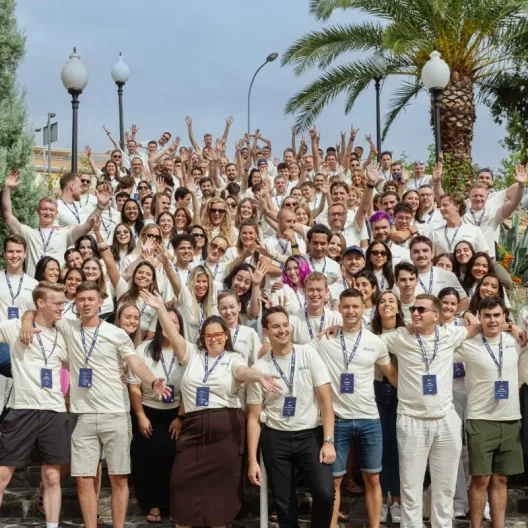
Building the design function from 0 at a hyper-growth compliance startup.
Joined as Formalize's first design leader, inheriting 2 products built fast and engineering-first — no PMs, no triads, and a previous design-system attempt that hadn't stuck. Grew the team from 0 to 4, embedded designers directly in product triads, and rebuilt the design system with engineering this time, so what got designed is what actually shipped. Helped craft the pitch behind a €30M Series B and led the internal deck that aligned the company on 2025 product direction. 2 years in, design moved from an occasional freelance favour to fully embedded — and Whistleblower Software became the #1-rated platform on G2.

Led a team of 12 designers across one of the world's most complex supply chain platforms — 20+ product teams, 260 engineers.
Led UX across a platform serving 350+ people across 20+ product teams and 260 engineers. Grew the design function from 6 to 12 in just 6 months and introduced a new organisational structure across 3 sub-teams: Product Design, Design System, and Research. Championed earlier involvement of UX in problem-solving, elevated design standards across the organisation, and initiated the "Flea Market" design system to modernise Maersk's existing framework. Successfully advocated for UX moving from under Technology into Product — a structural shift that changed how design influenced decisions platform-wide. Maersk was named one of Fast Company's Most Innovative Companies in Design 2023.
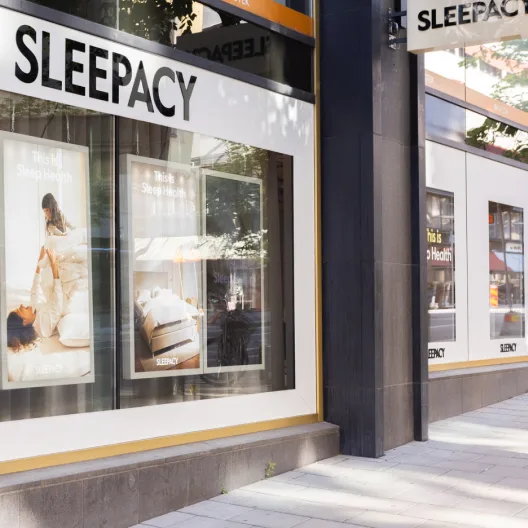
Transformed a global bedding brand into a digital-first health and wellness company.
Brought in as Head of UX as Hilding Anders Group transformed its Sleepacy brand from a global mattress manufacturer into a digital-first health and wellness company. Managed digital experience across both SLEEPACY (Sleep Health) and Carpe Diem Beds (luxury). Conceptualised and designed an e-commerce site from scratch, led the "Sleep Services" app from concept through to validated prototypes, and directed external design and development agencies to align on the vision for digital offerings.
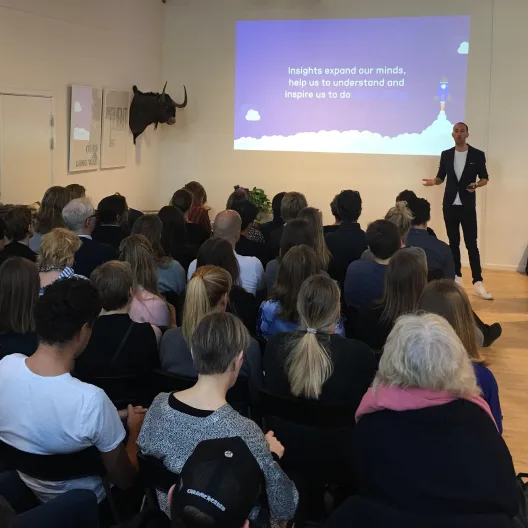
Led UX strategy across major Danish accounts — Finansforbundet, Club Matas, Dansk Metal.
Led UX and strategy across 1508's most prominent accounts. Led UX for Club Matas' new customer-facing app and loyalty programme — now Denmark's largest loyalty club with 1.5M members and a 4.6 App Store rating (32,800+ reviews). Drove Finansforbundet's full digital transformation — conceptualising, designing, and optimising 5+ new digital products and thinking them into a coherent ecosystem for 50,000 members. Designed the Dansk Metal job-finding app — used weekly by 66% of all unemployed members, with an iOS rating of 4.0.
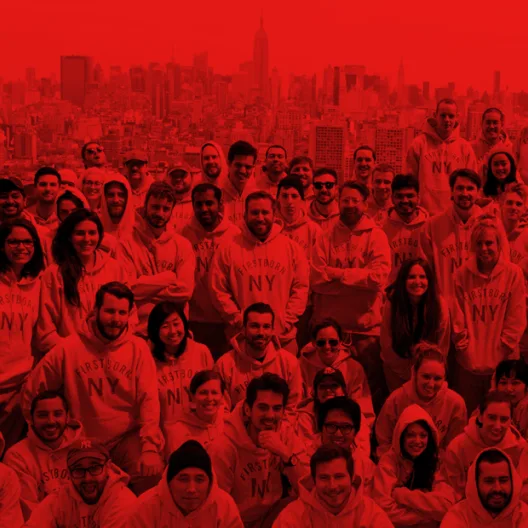
6 months in NYC at one of the US's top independent digital agencies — global brands, high craft.
7 months in New York at Firstborn — named #7 best US design studio, known for purpose-driven craft with forward-looking global brands. Worked between the UX and strategy teams to get them to a shared idea of what strategic design meant in practice. Led a new business venture: a skincare platform that gave each customer a skin ID to narrow down what to buy. Conducted comprehensive UX research and conversion optimisation for Ted Baker's e-commerce platform, and delivered internal training on design thinking, agile methodologies, and hypothesis-driven design.
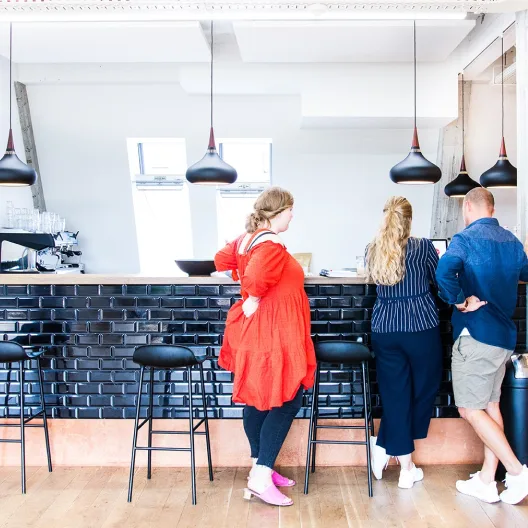
4 years across strategy and UX — Danske Bank, Varier, and growing the agency from the ground up.
4 years translating deep human insights into new business concepts and digital products. Led UX and strategy for Danske Bank's "Pocket Money" app — a pioneering debit card and money management solution for children aged 8–14, the first of its kind from a major Danish bank. Directed UX for the Varier active lifestyle app, which won the Experimental award at the Danish Digital Awards 2016 and was showcased at IFA Berlin — the world's largest consumer tech trade show. Instrumental in growing the agency (then Hello Group) from 20–30 people to 65+ UX experts, culminating in the merger with Great Works and joining The North Alliance consortium of the top Nordic digital agencies.

Early career role in digital strategy and UX — global brands, mobile, customer experience.
Worked closely with the CEO and Managing Partner to drive business development and lead major new business pitches. Advised clients on customer experience strategy and mobile app technology. Designed the UX for a platform facilitating the BMW i3 launch in partnership with YouTube. Developed customer support concepts and a child safety app concept for Danish telco TDC. Hello Great Works later invested a 25% stake in Nodes — which led directly to being headhunted into what became NoA Ignite.
Digital campaign strategy and production for Coca-Cola, Carlsberg, Tuborg and Mars.
Led digital campaign strategy and creative production for major FMCG brands, bridging offline events with digital and social execution. Designed the presentation for the Somersby Cider launch at the National Carlsberg Sales Meeting — the largest gathering of all Carlsberg brands and sales representatives. Campaign work across Coca-Cola, Carlsberg, Tuborg, Mars and Snickers.
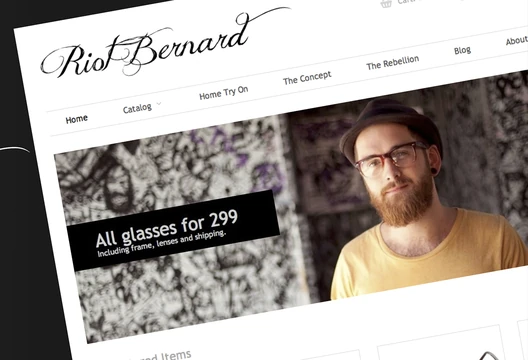
Co-founded an online-only eyewear brand with a buy-one-donate-one model, built from Shanghai.
Co-founded an online-only prescription eyewear brand with a buy-one-donate-one model, taking on Denmark's conventional optical market. Led brand, marketing and logistics through launch from Shanghai, established a local optician partnership, and sourced the first collection on the ground in China.
4 months in London on brand work for American Express and Skype.
Interned at a brand consultancy, on client work for American Express and Skype. Built creative tools, ran co-creation workshops, and worked on concept development and research.
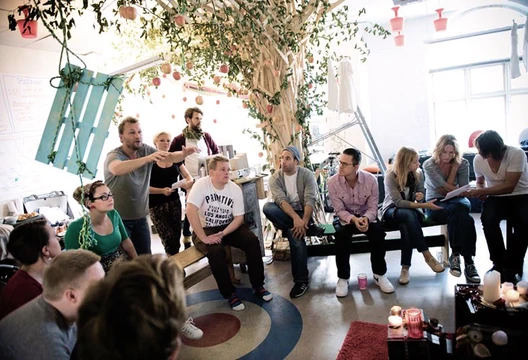
3-year hybrid business and design school built on leadership, entrepreneurship and real projects.
A 3-year hybrid business, design and leadership programme, ranked among the world's most innovative schools by BusinessWeek and FastCompany. Focused on leadership, entrepreneurship and project-based learning in real-world contexts — which is where both the Wolff Olins internship and Riot Bernard came from, each running inside these 3 years.
Case study
Making design matter inside one of the world's most complex logistics platforms.
The bet
Before
Move containers from A to B
Maersk's value was in its ships and routes. Customers booked a container; Maersk delivered it. Revenue was tied to volume shipped.

After
Run the customer's entire supply chain
Maersk manages freight, customs, warehousing, and last-mile — end to end. Revenue tied to value delivered, not containers counted.

The starting point
Terminals, spreadsheets, internal web tools, and manual workarounds — a constellation of legacy systems that operators lived in every day, with no single product holding it together.

The challenge
Fragmented experience
Apps across separate tabs, different structures, no coherent flow. Users felt they were using 10 products, not one.
No task guidance
Users could complete tasks but had no path to follow — the interface didn't know what they were trying to do.
Information overload
Everything surfaced upfront regardless of context. No prioritisation, no filters that worked — just noise.
Workarounds as workflow
Without end-to-end ownership, users left the platform to get work done. The source of truth lived in email and Excel.
One platform, three user types
Customer Service, Shippers, Consignees — fundamentally different needs, one undifferentiated experience.
No design foundation
No design system, no research practice, no shared components. Starting from 0 in a highly complex domain.
Engineering-dominated org
260 engineers, 20+ teams, no design processes. The risk wasn't irrelevance — it was becoming a bottleneck.
Highly technical domain
Logistics ops are dense and specialised. Designers had to earn credibility through domain fluency, not just craft.
Distributed team
12 designers across 6 nationalities and multiple time zones. Building a shared culture had to be intentional.
The transformation
The biggest shift wasn't a product or a tool — it was the role design played in the organisation. When I joined, design was downstream of engineering. When I left, design had a seat at the product strategy table.
Before
Design as delivery service
After
Design as strategic partner
What I built
The work

Adoption
Rolling it out was a change effort as much as a design one — managing stakeholders, advocating, convincing, and anchoring new ways of working in documentation and best practice to create streamlined, consistent, quality output.
The result
6→12
Product designers, hired and structured into focused practices
3
Dedicated practices — product design, research, design systems
20+
Product teams building on the design system
350+
Stakeholders aligned behind one platform vision
4.25 / 5
Gallup team engagement — above the 3.90 platform average

"He raises the standard in a way that lasts, both in the product and in the team."
Patrick RischelSenior Platform Product Owner, Maersk
"Working with Mikkel makes you a better and braver designer."
Viki Ølgod FrandsenLead UX Researcher, Maersk
Case study
Building the design function from zero at a hyper-growth compliance startup.
The platform
The products
Two of them: Whistleblower Software, the #1-rated system on G2, and Formalize — an end-to-end compliance platform for managing multiple regulations in one place.
My role
First design leader. Hands-on in a product team while building the design function from scratch — 0 to 4 designers, a design system that stuck, and a platform shifted from engineering-led to UX-led.
The bet
Each with its own deadlines, evidence and audit trail
Formalize
One platform
Every obligation tracked in one place, in one system — rather than a separate process per regulation.
The starting point
When I joined, Formalize already had two products in market and growing. Both were shipped engineering-first, fast, to seize the opportunity. What the company hadn't built yet was a design function.
The challenge
Design as afterthought
No full-time designers. One or two part-time freelancers pulled in occasionally for complex tasks.
Inconsistent platform
Customers: "Features work differently across the platform — it comes off as unprofessional."
A failed first attempt
One previous design-system effort had already failed. The second had to stick.
Highly complex domain
GRC is dense and regulatory. Designers had to build domain fluency fast.
Dense information
Enterprise B2B SaaS with heavy data and workflows — clarity is the product.
No product structure
No product managers, no triads. Engineering set the direction.
Built fast to win
Speed was the priority. Quality and consistency suffered for it.
Two products, one bar
Formalize and Whistleblower Software both needed the same standard of craft.
Trust is the business
A compliance platform that feels unprofessional undermines the very thing it sells.
The approach
The principles behind how I built design into the company — not from a distance, but inside the work.
Hands-on, not hands-off
I designed inside a product team while setting direction — close to the craft, not managing it from a distance.
Research before pixels
Decisions start with evidence. The design refresh was pitched on what customers told us and what good design returns — not on taste.
Built with engineering
Design and engineering co-created the system and components — so what we designed is what actually shipped.
The journey
The redesign
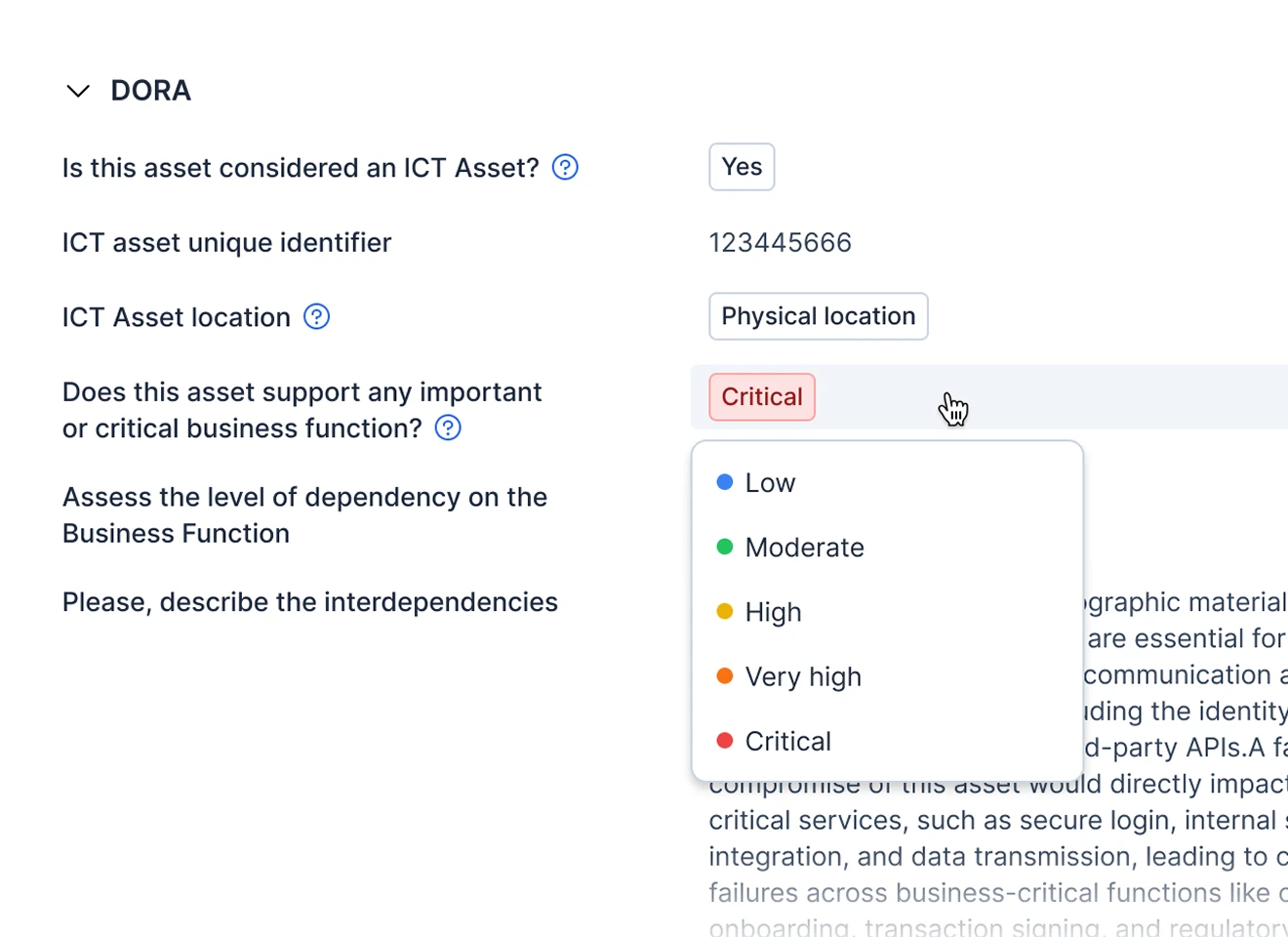
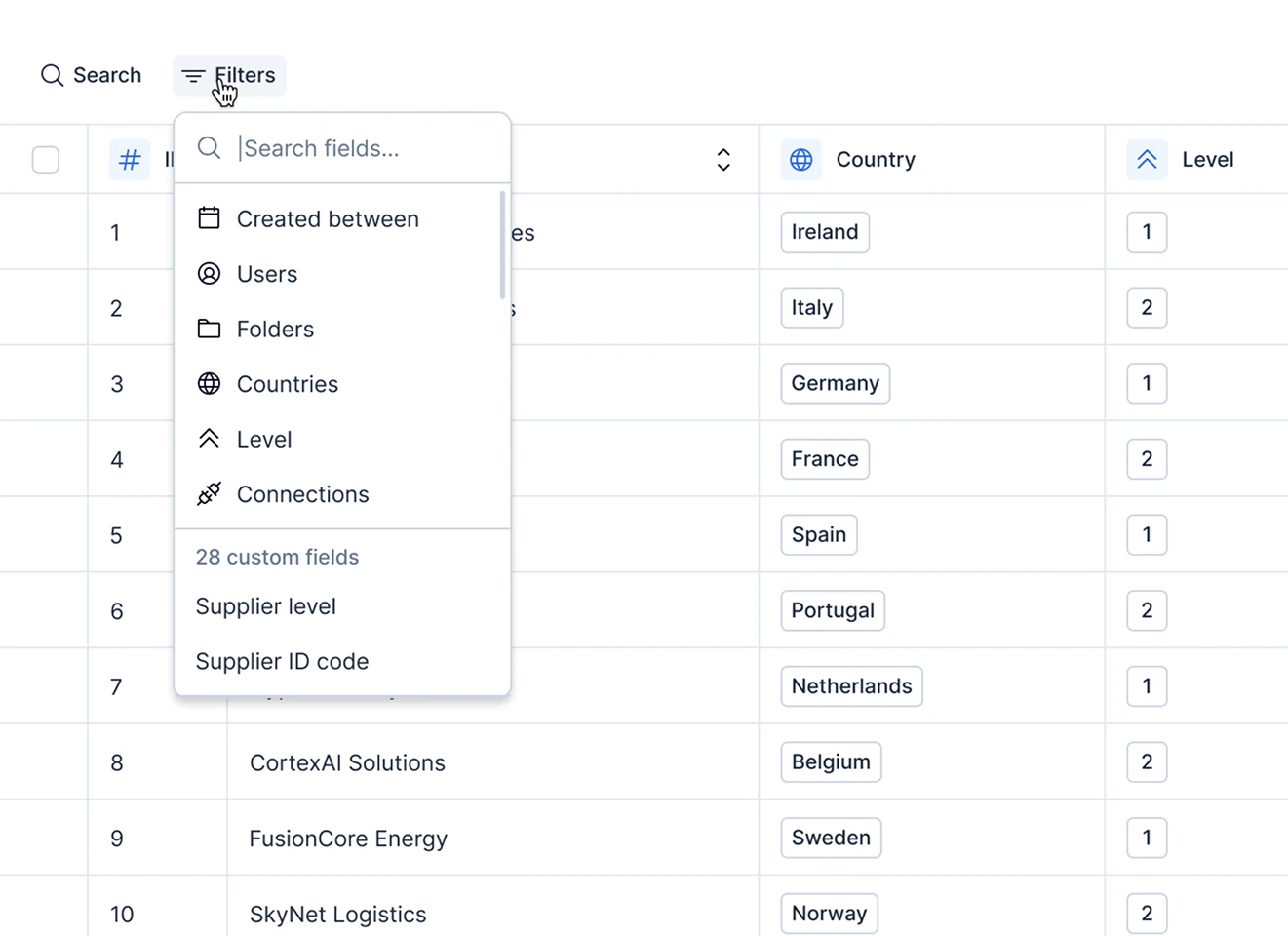
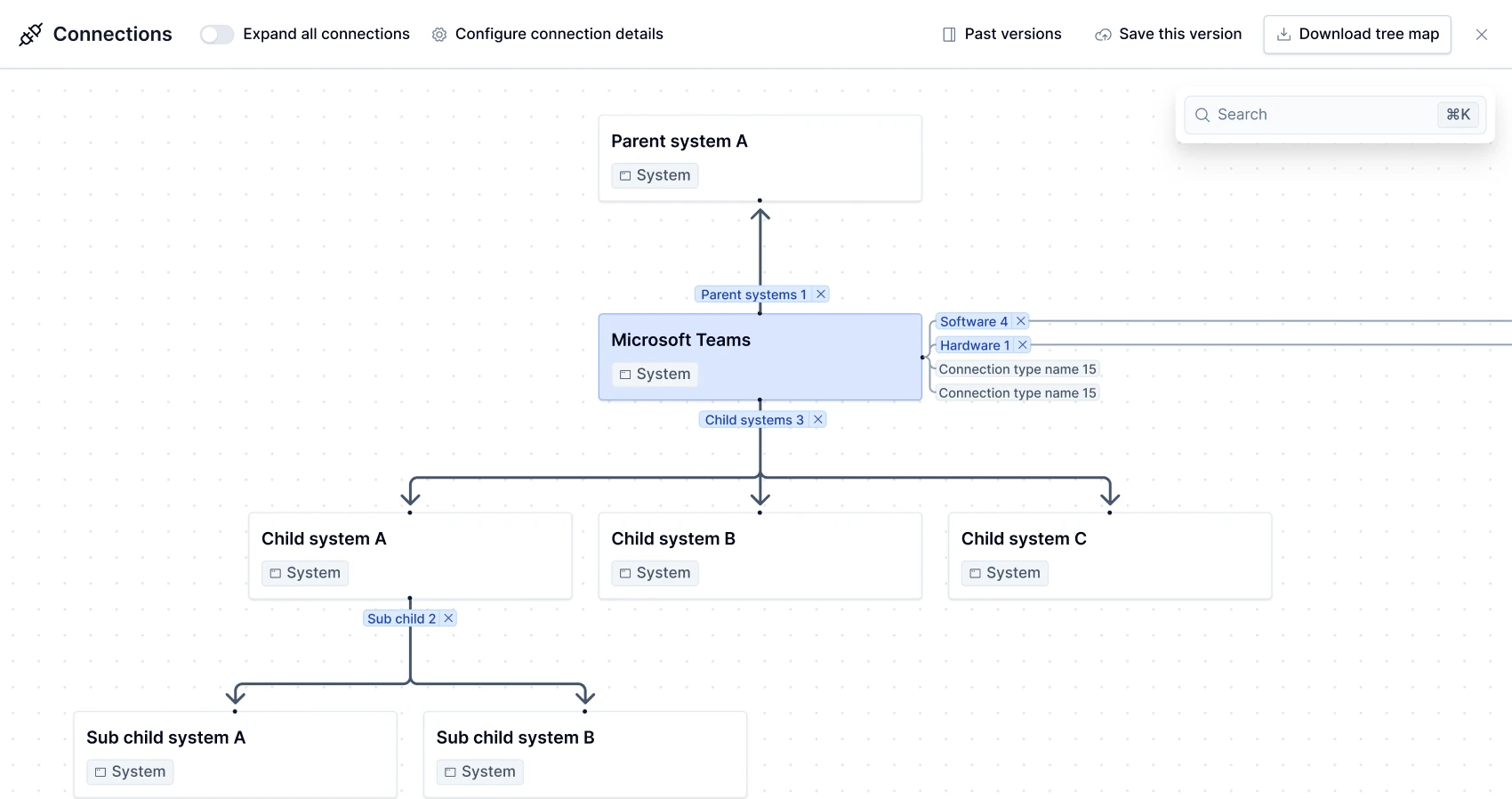
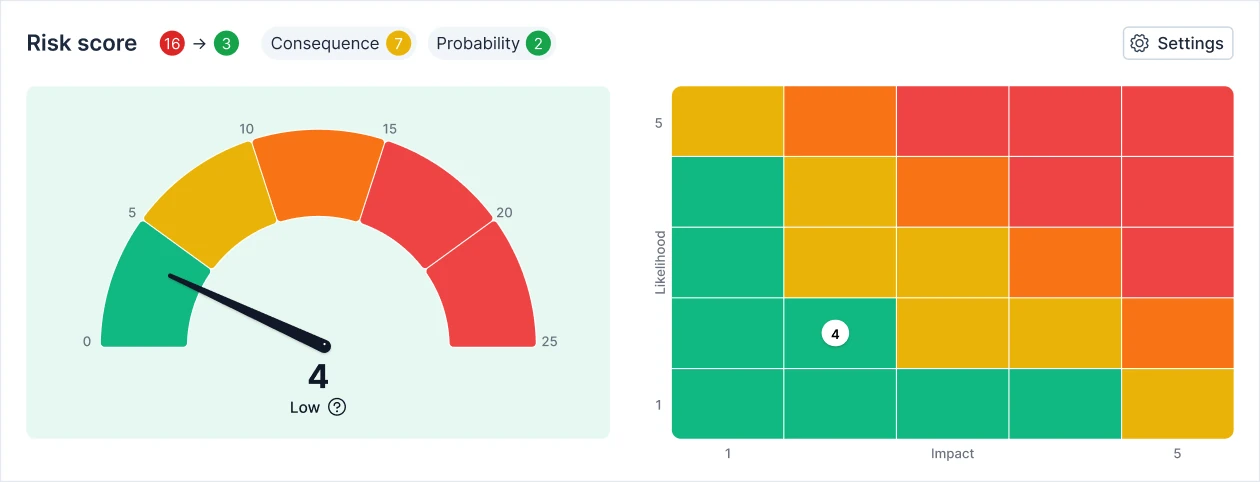
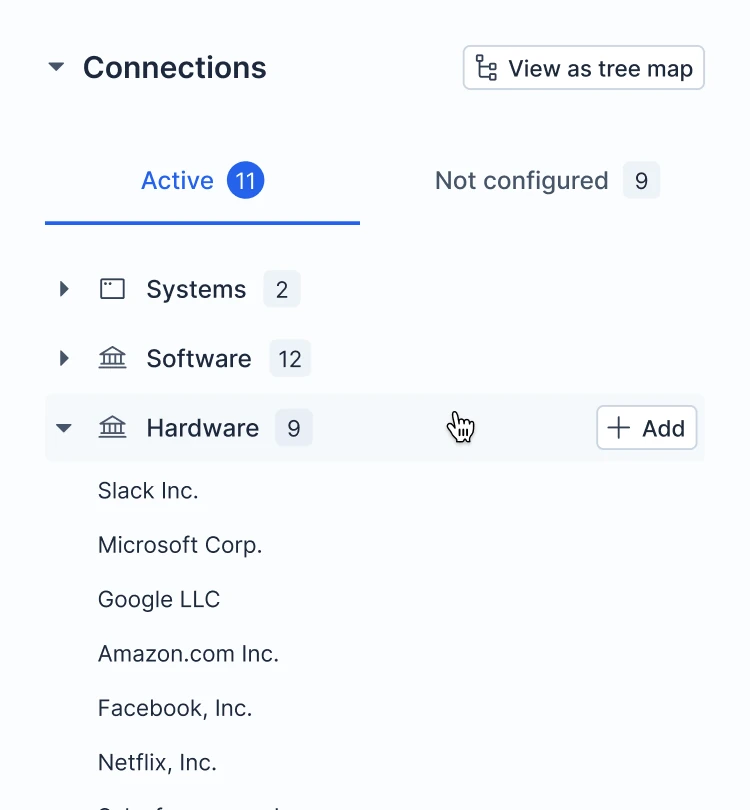
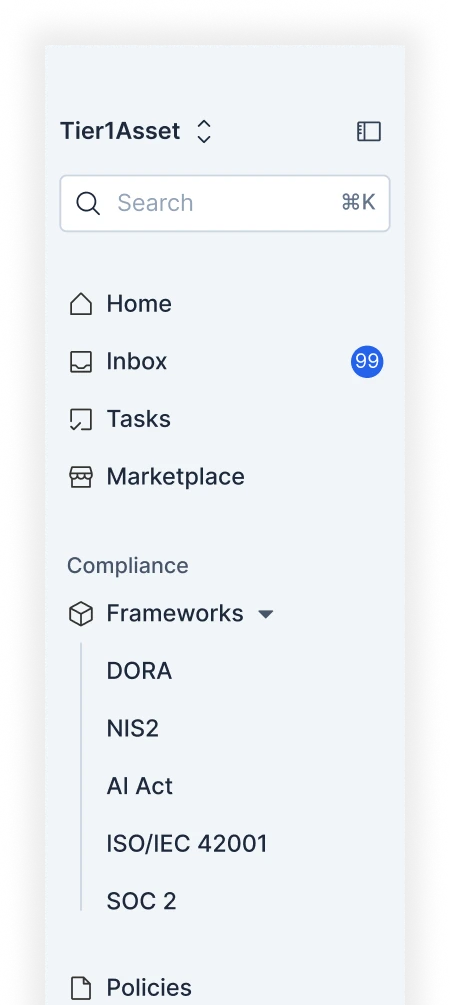
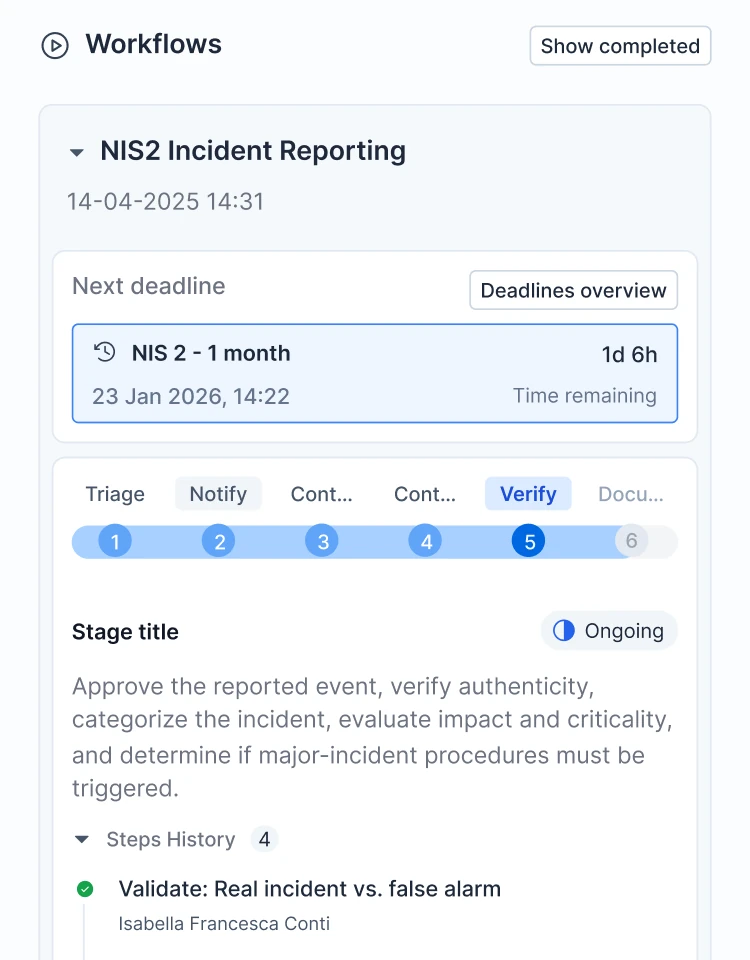
Beyond the design system, I led a redesign of Formalize — taking the platform from working and functional to something that feels modern, fast, and clear.


The full platform
Influence beyond the product
Series B · €30M
Helped build the investor pitch deck
Co-created the pitch — narrative and visuals — that turned product vision into a story investors could back. The round closed at €30 million.
Internal · 2025
The 2025 product strategy deck
Built the internal deck that aligned the entire organisation on product direction for the year — one shared picture of where we are headed and why.
The result
0→4
Full-time designers, embedded in product teams
2
Products elevated — Formalize and Whistleblower Software
#1
Whistleblower Software, rated on G2
Triads
Engineering lead + PM + designer in every team
€30M
Series B funding I helped pitch and win


"He built a comprehensive, cutting-edge design system entirely from scratch."
Emil Holst PetersenHead of Engineering, Formalize
"Mikkel creates a strong sense of psychological safety, where everyone wants to contribute."
Anders TolborgPrincipal Product Designer, Formalize
"He created alignment and momentum while the product organisation was still forming."
Simon la Fontaine SvenstrupStaff Product Manager, Formalize
Case study
Rebuilding Denmark's largest loyalty club around what members actually said they wanted.

The brand
Club Matas
1.5 million members. Half of them got little out of the programme, and many couldn't say why they had joined.
My role
Lead UX Designer. I explored several programme directions, built the prototypes and high-fidelity screens, ran five rounds of user testing, and took the concepts and design decisions to the CEO and the steering committee.
The brief
Club Matas had to become Denmark's leading loyalty programme, with clear value for customers, the market, and Matas. That was the goal the steering committee set.
Before
Transactional earn-and-burn
Collect points at checkout, redeem for discounts. No personalisation, and no reason to care which tier you were in.

After
Relationship-focused loyalty
Rewards and status for high-tier members, clear point value for everyone else, and offers matched to what people actually buy.

What research revealed
Nine findings came out of research across member segments.
Many don’t know why they are a member
Membership without a reason to hold it — people were in the club but could not say what for.
Half receive little value
50% of members got little out of the reward programme, and knew it.
Parts of the club no longer work
Several elements of the programme had stopped earning their place.
It needs simplifying
Club Matas had accumulated rules faster than it had shed them.
“Club” means different things
Members held different ideas of what belonging to a club was supposed to give them.
Inequality at both ends
The bottom half of members and the top 1% spend about the same.
Personal service creates loyalty
What kept people coming back was being treated as someone, not something.
The experience is the offer
Members wanted the shopping to be good, not only the discount at the end of it.
Customers are experts too
They know the products. The club had been talking down to people who knew more than it did.

The turn
The challenge
Frequency splits members into groups that want opposite things. Serving both inside one programme was the hard part.
The bottom 50%lowest spenders
Equal spend
The top 1%biggest spenders
Focus on the bottom and the top
The bottom 50% of members and the top 1% spend the same amount. Getting the top 1% right moves turnover as much as everything below it.
1.5 million members
Needs ran from casual shoppers to people buying every week, and one programme had to work for all of them.
Points against rewards
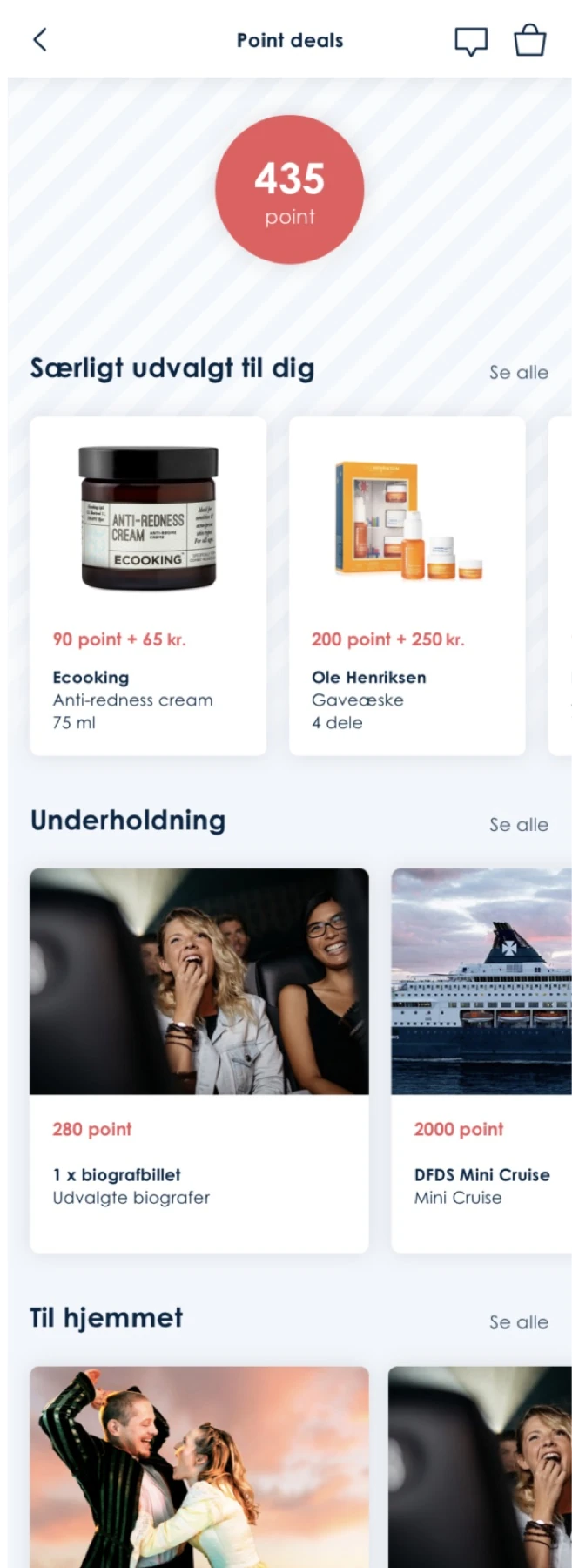
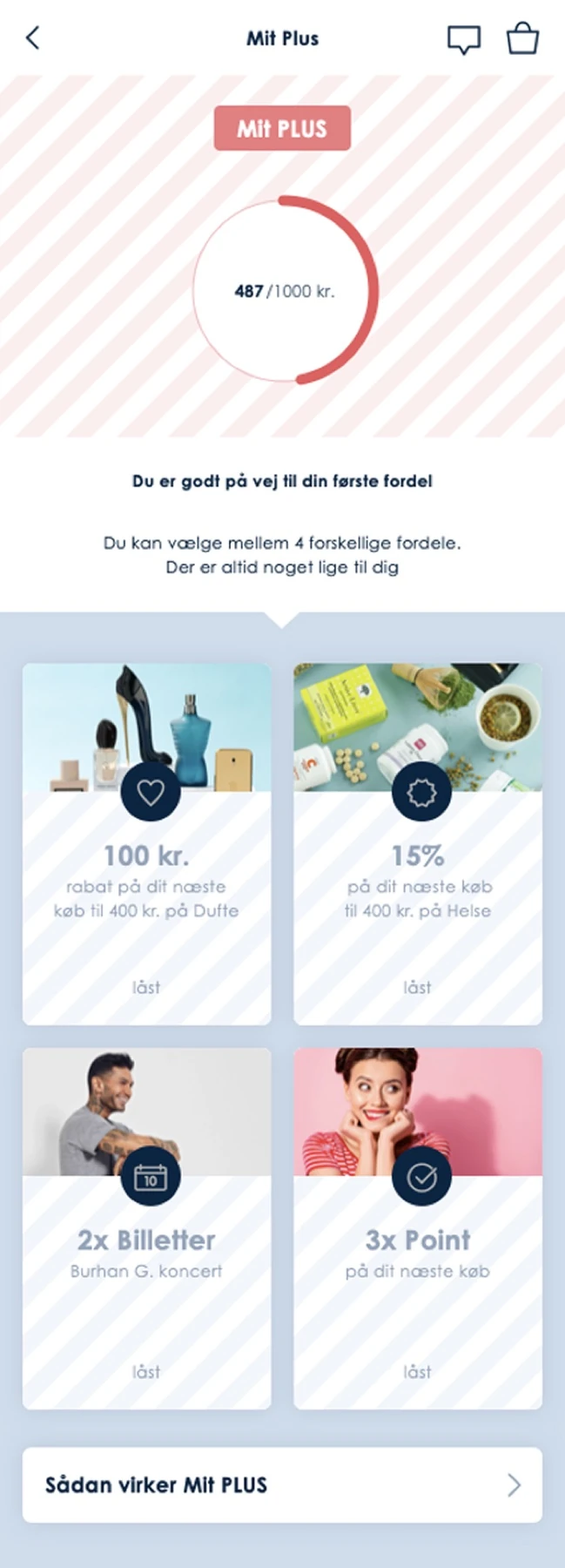
Two parallel loyalty mechanics: simple points for lower tiers, choice-based rewards for high-frequency members.
150 unique screens
A full redesign: shopping, loyalty mechanics, inspiration, scan & go, and member profile.
C-level alignment
Concepts and design decisions went straight to the CEO and the steering committee, so the work had to hold up in business terms.
5 rounds of user testing
Concepts tested at several fidelities, with research running alongside the design rather than after it.
The loyalty design
How often someone shops changes what the club is worth to them. We mapped what each level of buyer actually wants, then built the programme to pay out accordingly.
Low frequency
Medium frequency
High frequency
Spend
What they want
What we offered
Two mechanics running in parallel: points underneath the whole programme, rewards layered on top for the members who shop most.
Low-frequency members
Points

High-frequency members
Rewards


The work
Onboarding, the loyalty dashboard, scan & go, personalised inspiration — every flow redesigned.
Old

New


The result
2M+
Club Matas members enrolled in the redesigned programme
#4
App Store ranking in the Lifestyle category
4.6 / 5
App Store rating across 32,800+ reviews
2023
Best e-commerce app, E-handelsprisen
150
Unique screens designed across all member journeys


